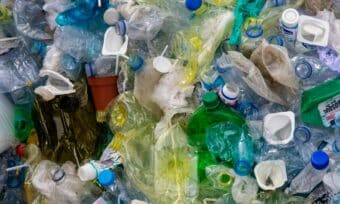

In response to today’s growing environmental, social, and economic challenges, sustainable consumption has emerged as a practical and accessible solution. It’s more than just a passing trend; it’s a way of rethinking our everyday choices to reduce our environmental impact, support ethical practices, and promote a healthier economy. But what are the real stakes involved? And how can each of us contribute, in simple and effective ways? This article offers a clear and practical overview of the importance of responsible consumption and production in today’s world.
What Is Sustainable Consumption?
Sustainable consumption refers to a broad, intentional approach to purchasing goods and services—one that takes into account the full impact of our choices on people, the planet, and the economy. Rooted in the principles of sustainable development, it is built on three core pillars:
- ● Environmental: Choosing products that protect ecosystems and reduce waste and pollution
- ● Social: Supporting companies that uphold human rights and treat workers fairly
- ● Economic: Encouraging local businesses and short supply chains to support a resilient economy
By adopting these values, consumers shift from being passive buyers to active agents of change, helping adopt more sustainable habits move society towards more sustainable patterns of consumption and production.
Why Embrace Sustainable and Responsible Consumption?
Adopting a more mindful approach to consumption supports sustainability by helping reduce our ecological footprint, strengthen local economies, and align our lifestyle choices with our values.
Reducing Your Environmental Impact
Making sustainable choices directly reduces the pressure we are putting on the planet’s natural resources. By favouring sustainable products, minimizing food loss, and reducing overall resource consumption, we can lower our greenhouse gas emissions and waste generation. These actions are essential in the global effort to combat climate change and protect the environment for future generations.
Supporting the Local Economy
Prioritizing local purchases is a powerful way to build stronger, more resilient communities. Buying from nearby producers and retailers not only helps create green and decent jobs; it also cuts down on the emissions associated with transporting goods over long distances. Choosing Canadian-made products, for example, supports a circular economy and reinforces local economic development goals.
How to Make Sustainable Consumption a Part of Your Daily Life
Adopting a sustainable lifestyle doesn’t require drastic changes. It’s about making a series of small, practical decisions that are accessible to everyone.
Buy Smarter: Quality Over Quantity
A core principle of sustainable consumer behaviour is prioritizing quality instead of quantity. It benefits both your wallet and the environment by reducing the need for frequent replacements. Consider these smart shopping habits:
- ● Invest in items that are built to last rather than buying low-quality alternatives.
- ● Ask yourself if you really need something before purchasing it.
- ● Maintain and repair your belongings whenever possible.
- ● Avoid impulse purchases by planning ahead.
These habits promote resource efficiency and help reduce the demand for unsustainable production and consumption.
Apply the 3 Rs: Reduce, Reuse, Recycle
The 3 Rs offer a simple and effective model for environmentally sound living that the whole family can adopt:
- ● Reduce: Limit your consumption to what’s truly necessary, such as buying in bulk to cut down on packaging.
- ● Reuse: Extend the lifespan of your items by repairing or donating them.
- ● Recycle: Sort your waste properly, including recycling plastic and paper products.
When practiced consistently, these habits support the 10-year framework of sustainable consumption and production programs.
Make Ethical and Informed Choices
Being a responsible consumer means looking beyond the product itself and considering how and where it was made. Choose brands that are transparent, treat workers fairly, and follow sustainable practices. Certifications and eco-labels can help identify companies that align with your values.
By seeking out ethical businesses, consumers play a crucial role in promoting sustainable production and consumption policies. Your choices have the power to push companies to adopt better standards and contribute to a more sustainable future.
How Does Cascades Fluff & Tuff® Support Sustainable Consumption?
At Cascades Fluff & Tuff®, we actively support sustainable consumption and production patterns through every step of our process. Our FSC® certified (FSC-C116440) paper towels and toilet paper are made from 100% recycled fibres sourced responsibly. This ensures our supply chain meets the FSC®‘s rigorous environmental and social standards. Using recycled rather than raw fibres in our products helps preserve the equivalent of 30,500,000 mature trees.
By choosing carefully select materials and adopt environmentally respectful production methods, we aim to reduce our ecological footprint without compromising on softness or performance. For example, compared with the North American pulp and paper industry average, we save the equivalent of 1,636,339 above-ground 21-foot pools of water. We want to offer a better quality of life, helping families make sustainable choices without sacrificing comfort or convenience.
*Based on the environmental performance of Cascades Canada ULC compared with the North American pulp and paper industry average in 2023.
Frequently Asked Questions
How Can I Shop Second-Hand to Reduce Waste?
Buying second-hand is a practical way to extend the lifespan of products and reduce demand for new production. Whether it’s clothing, furniture, or electronics, reusing items cuts down on landfill waste and promotes a more circular economy.
What Is the Impact of Sustainable Habits on the Environment?
The positive effects of sustainable consumption are both measurable and meaningful. By adjusting our daily consumption patterns, households help lower the volume of waste sent to landfills and reduce the use of natural resources. These collective efforts support global sustainable development goals, including sustainable development goal 12, which aims to ensure sustainable consumption and production worldwide.